
Foundation Planting Ideas to Refresh Your Fairfield County Home's Curb Appeal

Davida Landscape Designs Team • July 29, 2026

Foundation beds do a lot of quiet work for a property. They're the first thing people see walking up to the front door, and they frame the house itself — but they're also easy to let go stale. A lot of Fairfield County homes we visit still have the same foundation planting from when the house was built: overgrown shrubs, bare mulch beds, or a mix of plants that never quite came together as a design.

Refreshing a foundation bed isn't about ripping everything out and starting over. It's usually about making smarter choices for what goes where, so the bed looks intentional in every season, not just for a few weeks in spring.

Quick Takeaway

  • A strong foundation bed layers plants by height and bloom time so there's always something happening, not just one big spring moment.
  • Matching plant choices to sun exposure and soil conditions on each side of the house matters more than picking plants because they looked good at the garden center.
  • Evergreen structure (not just flowering plants) is what keeps a bed from looking bare in the winter months.
  • Mulch and edging aren't just finishing touches — they define the bed visually and protect plant roots.
  • Deer pressure is a real design constraint in much of Fairfield County and should factor into plant selection from the start.

1. Think in Layers, Not Just Individual Plants

The foundation beds that read as "designed" rather than "planted" almost always use a layered approach: taller shrubs or small ornamental trees anchoring the corners of the house, mid-height shrubs filling the middle ground, and lower perennials or groundcover along the front edge. This layering creates depth and makes the bed look intentional from the street, rather than a single row of identical shrubs running along the foundation.

It also solves a practical problem. A single-height planting scheme tends to look empty at the base once shrubs mature and their lower branches thin out. Layering with perennials or groundcover in front hides that bare space and adds texture at eye level, which is what people actually notice when they're standing on the front walk.

Choosing Plants for Each Layer

The specific plants that work best depend heavily on the sun exposure, soil, and microclimate of each side of the house — a north-facing bed in shade calls for very different choices than a south-facing bed in full sun. This is one of the reasons a foundation refresh benefits from a site walkthrough rather than a generic plant list.

2. Plan for Bloom Time Across the Whole Season

One of the most common foundation bed mistakes is planting everything for a single big spring show, then having the bed go quiet for the rest of the year. A well-planned bed staggers bloom times, so there's color or interest happening from early spring through fall, with evergreen structure carrying the bed through winter.

This doesn't mean packing in dozens of different varieties. It often just means being intentional about pairing a few early bloomers with a few mid-summer and late-season plants, so the bed isn't a one-hit wonder.

Why This Matters More for Curb Appeal Than People Expect

A house is seen far more often in July and October than during the two or three weeks that spring bulbs are in bloom. Designing for the full season, not just spring, is what actually keeps a foundation bed looking good most of the year.

3. Don't Skip Evergreen Structure

Flowering perennials get most of the attention, but evergreen shrubs are what keep a foundation bed from looking bare and forgotten in December, January, and February. A bed with some evergreen anchor plants holds its shape and color through winter, while an all-perennial bed can look empty for several months of the year.

This is especially noticeable on corner beds and areas visible from the street or driveway, where a bare bed in winter stands out far more than it would in a backyard space.

4. Factor In Deer Pressure From the Start

Deer browsing is a real design constraint across much of Fairfield County, and it's far easier to plan around it up front than to replace plants after they've been repeatedly browsed down. Choosing deer-resistant options for the plants most exposed to browsing, while saving more vulnerable favorites for areas closer to the house or behind other plantings, helps a foundation bed hold up season after season.

A Note on "Deer-Resistant" Plant Lists

Deer behavior varies by neighborhood and by how hungry the local population is in a given year, so "deer-resistant" is a helpful guideline rather than a guarantee. Pairing resistant varieties with smart placement is usually a more reliable strategy than relying on a plant list alone.

5. Mulch and Edging Tie the Whole Bed Together

Fresh mulch and clean edging do more for a foundation bed's appearance than most homeowners expect. Mulch protects roots, helps retain moisture, and gives the bed a finished, uniform look that makes even a simple planting scheme read as intentional. Clean, defined edges between the bed and the lawn create a crisp visual line that makes the whole front of the house look more maintained, even before you factor in the plants themselves.

Frequently Asked Questions

  • How often should foundation planting beds be refreshed?

    It depends on the plants involved, but many foundation beds benefit from a design refresh every several years as shrubs mature, overgrow their space, or stop performing the way they did when first planted.

  • What's the difference between a foundation bed refresh and a full landscape redesign?

    A refresh typically works within the existing bed footprint, focusing on plant selection, layering, and mulch/edging, while a full redesign might reshape the bed itself, adjust grading, or integrate hardscape elements.

  • Should foundation plantings match on both sides of the front door?

    Symmetry can look clean and intentional, but it isn't required for a bed to look designed. Many Fairfield County homes use a more layered, asymmetrical approach that still feels balanced from the street.

  • Do foundation beds need irrigation?

    It depends on the plant selections and the site's natural drainage and sun exposure. Some layouts are designed to be low-maintenance without supplemental irrigation, while others benefit from it, especially in the first year or two while plants establish.

  • What time of year is best to refresh a foundation bed?

    Both spring and fall offer good planting windows in Connecticut, though the right timing can depend on the specific plants involved and the scope of the refresh.

Refreshing Your Foundation Beds

A foundation bed refresh is one of the more approachable ways to change how a whole property feels from the street, without touching the hardscape or the rest of the yard. The right layering, bloom timing, and evergreen structure make a bed look considered in every season, not just for a few weeks each spring. If your foundation beds are ready for a refresh, reach out to Davida Landscape Designs to talk through what would work best for your property's sun, soil, and style.

Modern living room with wood slat ceiling, built-in TV wall, and long wooden coffee table
By Davida Landscape Designs Team July 29, 2026
Planning an outdoor kitchen in Fairfield County, CT? Learn how utilities, drainage, and patio layout need to come together before construction begins.

Red leaf rake on pavement beside a pile of autumn leaves and debris on dirt edge
By Davida Landscape Designs Team July 10, 2026
Fall cleanup and snow removal keep Fairfield County, CT properties protected through winter. Learn what off-season maintenance includes with Davida Landscape Designs.

Brown earthworm on green grass with a blurred background
By Davida Landscape Designs Team July 10, 2026
Learn what a full-season lawn fertilization and pest control program includes for Fairfield County, CT properties, from Davida Landscape Designs.
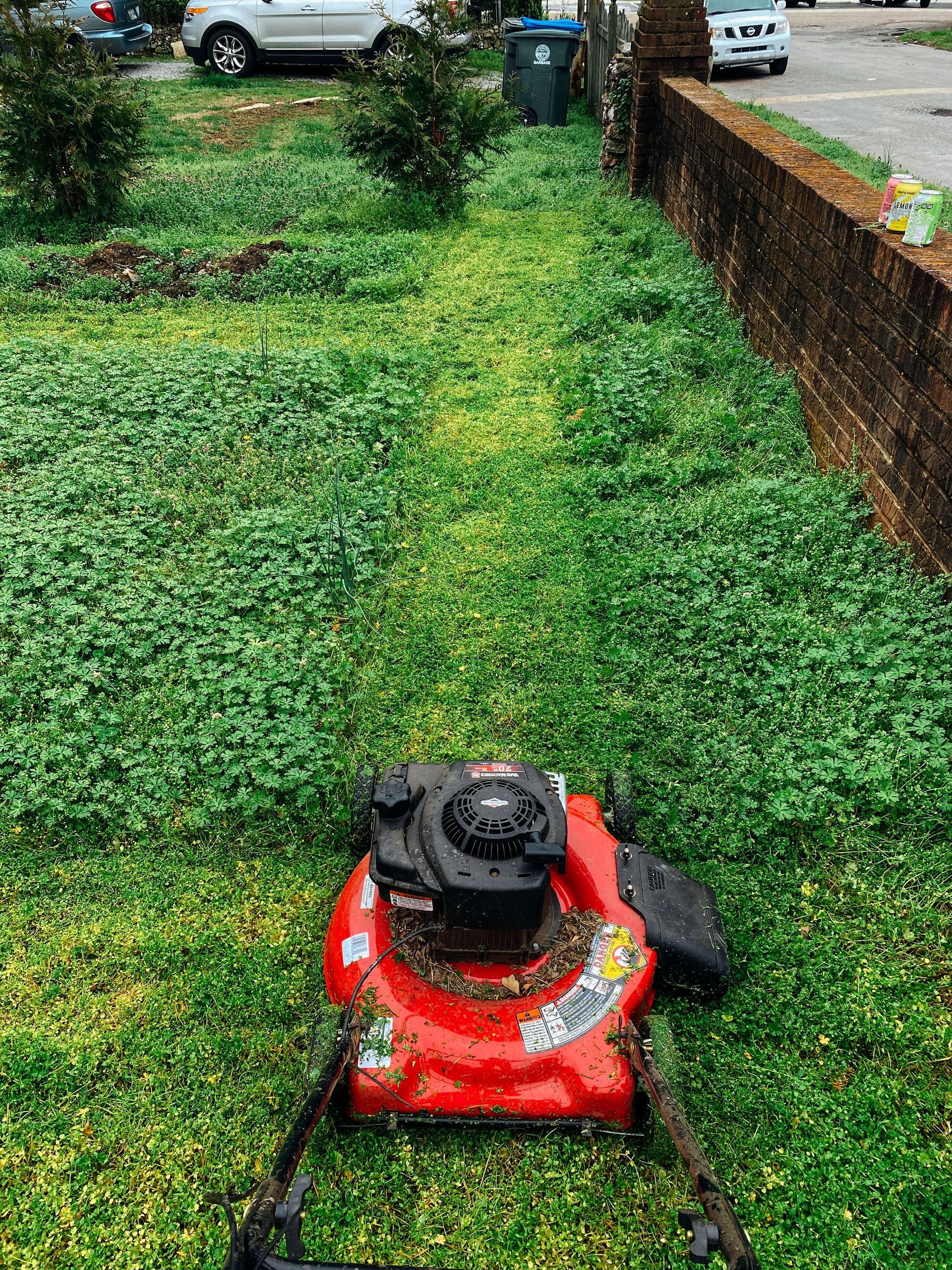
Red lawn mower on a grassy yard near a brick wall, with a path of freshly cut grass behind it.
By Davida Landscape Designs Team July 10, 2026
Weekly mowing or a one-time cleanup? Davida Landscape Designs breaks down which landscape maintenance plan makes sense for Fairfield County, CT properties.

Split image of a white house with landscaped lawn and green Davida Landscape ad reading “Why Fairfield County Homeowners Trust Davida Landscape Designs”
By Davida Landscape Designs July 8, 2026
See why Stamford and Fairfield County homeowners rate Davida Landscape Designs 5 stars for honest pricing, quality stonework, and reliable landscaping.

Aerial view of a house and landscaped yard beside text: “Winter vs. Summer Landscaping Projects in Fairfield County”
By Davida Landscape Designs July 8, 2026
Learn which landscaping projects can be completed in winter vs. summer in Fairfield County, CT. Plan smarter and keep your outdoor project moving year-round.
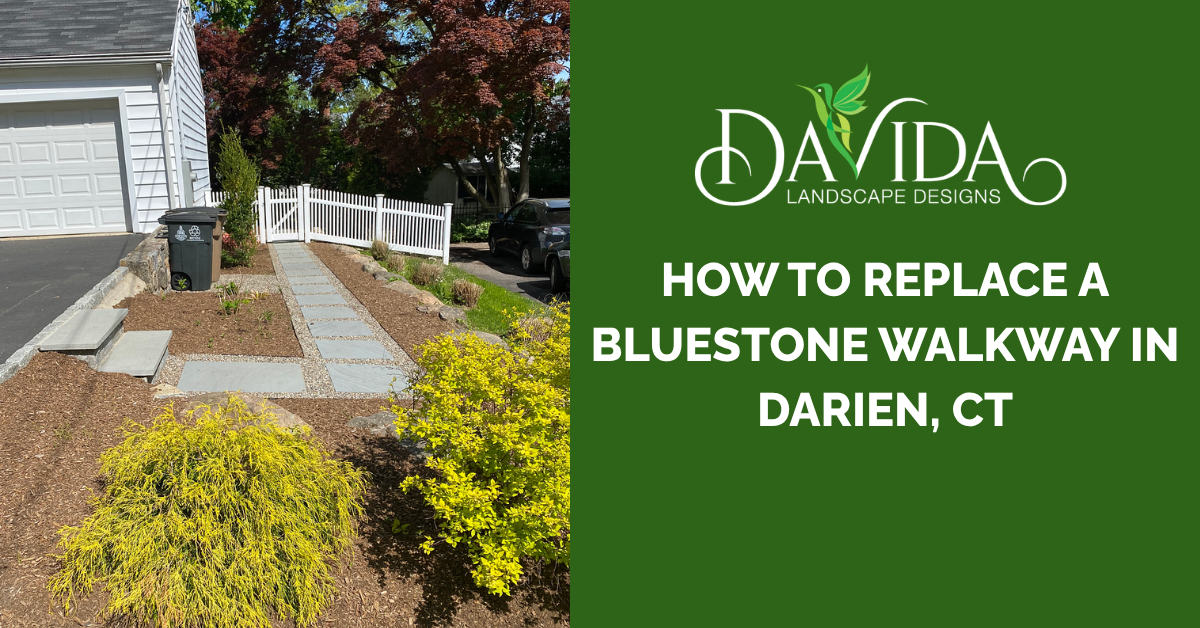
Bluestone walkway beside white house and shrubs, with text: “How to replace a bluestone walkway in Darien, CT”
By Davida Landscape Designs July 8, 2026
Thinking about replacing your bluestone front walkway in Darien, CT? Learn what the process involves, what it costs, and what to expect from a professional installation.

Gloved hands hold a white sack filled with dried plant debris on a dirt surface
By Davida Landscape Designs April 25, 2026
Spring landscape cleanup in Stamford, CT. Expert timing tips, checklist, and the mistakes Fairfield County homeowners make in April. Book your consultation.

Four people relax on outdoor furniture around a stone fire pit in a lush, green backyard. Logo reads Davida Landscape Design.
By Davida Landscape Designs March 23, 2026
Learn how to design a functional backyard with patios, fire pits, and outdoor living spaces in Connecticut.

A large house with a manicured green lawn, beside text titled
By Davida Landscape Designs March 23, 2026
Discover which landscaping upgrades increase home value in Connecticut, including patios, outdoor living spaces, and gardens.

Show More